


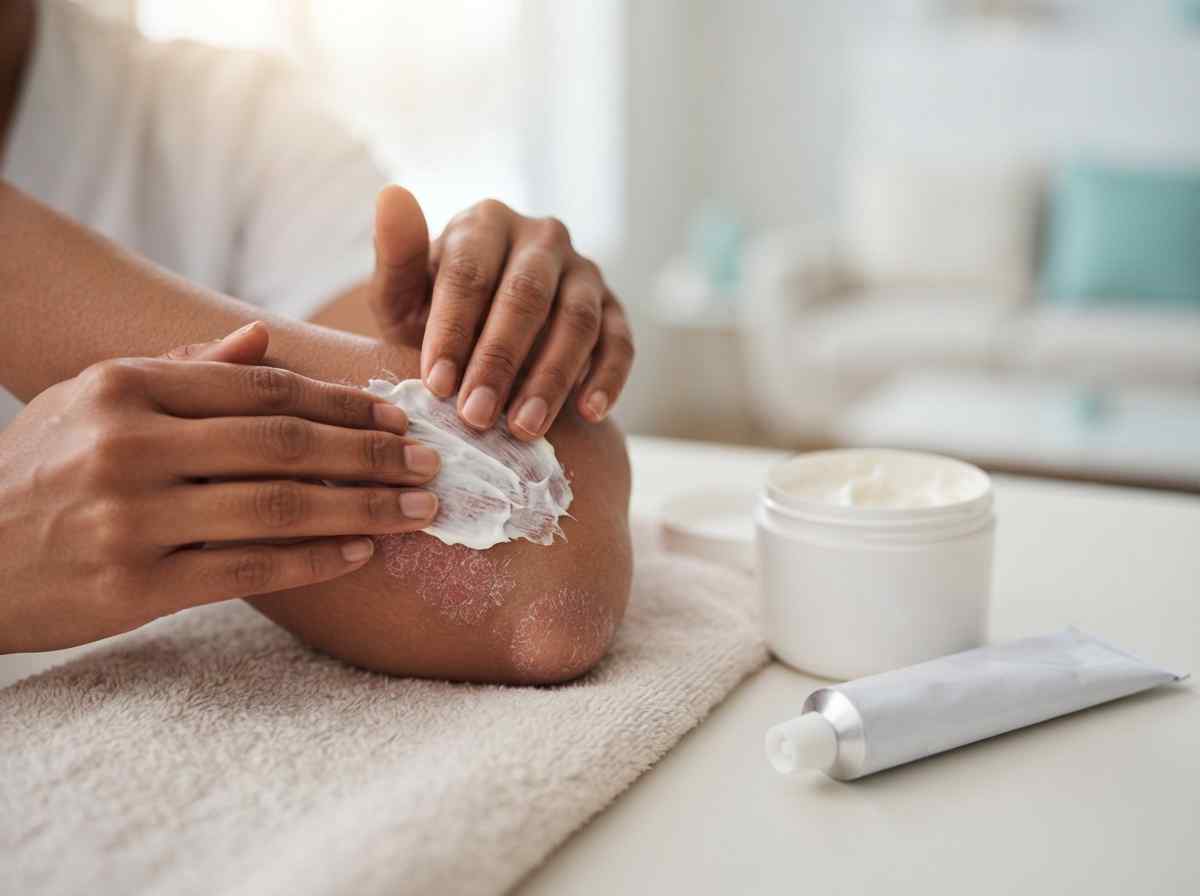
The cold weather can be uncomfortable for those with psoriasis. When the weather turns colder, the skin begins to lose moisture and become drier, more sensitive, and more itchy. Pre-existing psoriasis can look more prominent, and others may experience more flare-ups in the winter.
So what is it about winter that triggers a flare in psoriasis? Is it just the cold weather, or is there more to it?
What are the seasonal factors that can trigger psoriasis, and how do you treat it? Think of it as knowing about the seasonal psoriasis causes and what to look for as your secret weapon for managing your psoriasis. From plaque psoriasis to scalp psoriasis and phototherapy and biologics, here’s what you need to know.
Let’s understand the impact of winter on psoriasis, the symptoms you should look out for, and the suitable treatment.
What Is Psoriasis?
Psoriasis is a long-term, immune-mediated inflammatory disease of the skin. Skin cells grow faster than normal, creating plaques of thickened, raised, and scaly skin.
Common psoriasis symptoms include:
- Dead, thickened areas of skin that are raised and red.
- Whitish or silvery scales in plaque psoriasis.
- Itching, irritation, or burning sensations that last over time.
- Dry, extremely dry skin that can crack and even bleed.
- Nail changes like pitting, thickening, or discoloration.
Psoriasis can occur anywhere on the body but often appears on the elbows and knees, scalp, lower back, genitals, and around the navel.
Firstly, know that psoriasis is not infectious. It does not spread from person to person or through contact. Yet, it is chronic, with the possibility of intervals of remission and regression. If you want a broader understanding of skin conditions, our guide on what a skin specialist does explains the range of conditions dermatologists manage.
Why Does Psoriasis Get Worse During Winter?
No, winter is not the cause of psoriasis, but cold weather can trigger it. Here are three common causes of winter flare-ups.
1. Cold Weather and Low Humidity
The air tends to be dry from the cold and dry indoors from using heat. These conditions can strip moisture from the skin.
Dryness may make your psoriasis itchier and lead to more peeling and irritation around your patches. And, of course, scratching breaks the skin and can cause a new lesion or group of lesions to appear (called the Koebner phenomenon).
2. Reduced Sunlight Exposure
Sunlight, which has natural UVB rays in it, is able to suppress excessive skin cell production.
The decrease in daylight hours and outdoor exposure in winter can make psoriasis worse for sun-sensitive individuals. But unprotected exposure to sunlight isn’t a substitute for treatment. Sunburn can actually cause a psoriasis outbreak. Controlled phototherapy offers a safe, medically supervised alternative to natural sunlight.
3. Changes in Daily Habits
Extended baths or showers, staying in warm buildings, and abrasive winter clothing can make sensitive skin worse.
Flare-ups could also be triggered by seasonal stresses and new routines. They won’t necessarily cause problems for everyone, but they can give you a better idea of what may trigger your psoriasis flare-ups.
Common Types of Psoriasis and Their Symptoms
Psoriasis can take different forms depending on the type and where it appears on your body.
Plaque Psoriasis
The most common type of psoriasis is plaque psoriasis. This form is known for raised, well-defined patches of skin with silvery-white scales.
You will often find these patches on your knees, elbows, scalp, and lower back. They are often worse in the winter, when they get thicker, drier, and more uncomfortable.
Scalp Psoriasis
How is scalp psoriasis diagnosed? If your psoriasis is on your scalp, it is called scalp psoriasis. It looks like tiny, flaking patches or thick crusting that extends beyond the borders of your hairline.
Common symptoms are itchiness, scaling, redness, and sometimes bleeding.
Despite its appearance, scalp psoriasis tends to result in raised patches, whereas dandruff appears more like flakes. Persistent scalp flaking can also be linked to androgenetic alopecia or other scalp conditions, so a proper evaluation matters.
You may need medical scalp psoriasis treatment if it’s not just dandruff.
Psoriasis vs Eczema: What’s the Difference?
Psoriasis and eczema are both inflammatory skin conditions, but they have different characteristics.
| Features | Psoriasis | Eczema |
|---|---|---|
| Appearance | Thick, raised patches | Often less defined |
| Borders | Usually well-defined | Often less defined |
| Scaling | Thick, sometimes silvery | Usually finer and dry |
| Common areas | Elbows, knees, scalp | Hands, face, skin folds |
| Itching | Mild to intense | Often intense |
While these differences can offer useful indicators, they are not enough on their own to make an exact diagnosis. Have a dermatologist evaluate the affected skin area. Our skin doctor page explains how dermatologists differentiate between similar-looking conditions.
What Are the Common Psoriasis Triggers?
Besides the cold winter months, there are other triggers that can cause psoriasis to flare.
- Stress: Stress, both physical and emotional, can increase inflammation.
- Infections: Certain infections, such as streptococcal throat infections, can trigger outbreaks.
- Skin damage: Sunburn, scratches, and cuts can be the origin of new lesions. Post-injury discoloration can also be addressed through specialized scar revision procedures.
- Certain medications: Lithium and some blood pressure medications can make symptoms worse.
- Smoking and alcohol: Both increase the severity of psoriasis.
- Cold and dry weather: Lack of moisture can increase skin irritation.
Identifying recurring flares can be helpful in finding your personal triggers.
What Are the Treatment Options for Winter Psoriasis Flare-Ups?
Psoriasis has no cure, but some treatment options are available to help control inflammation and scaling and alleviate symptoms.
What is the best psoriasis treatment? The right approach depends on how severe the disease is, which parts of the body it affects, and your health history.
1. Topical Treatments
Topical drugs are generally used for psoriasis of mild to moderate severity.
Based on your condition, a dermatologist may recommend:
- Corticosteroid creams: To reduce inflammation and help relieve itching.
- Dermatology treatments: Vitamin D analogues to control the production of too many skin cells.
- Salicylic acid: To assist in breaking down and removing thick scales.
- Moisturisers: To retain moisture and combat dryness.
Use medicated creams as directed by your doctor. Never apply them in sensitive areas.
2. Phototherapy for Psoriasis
Phototherapy may be prescribed if topical treatments do not work.
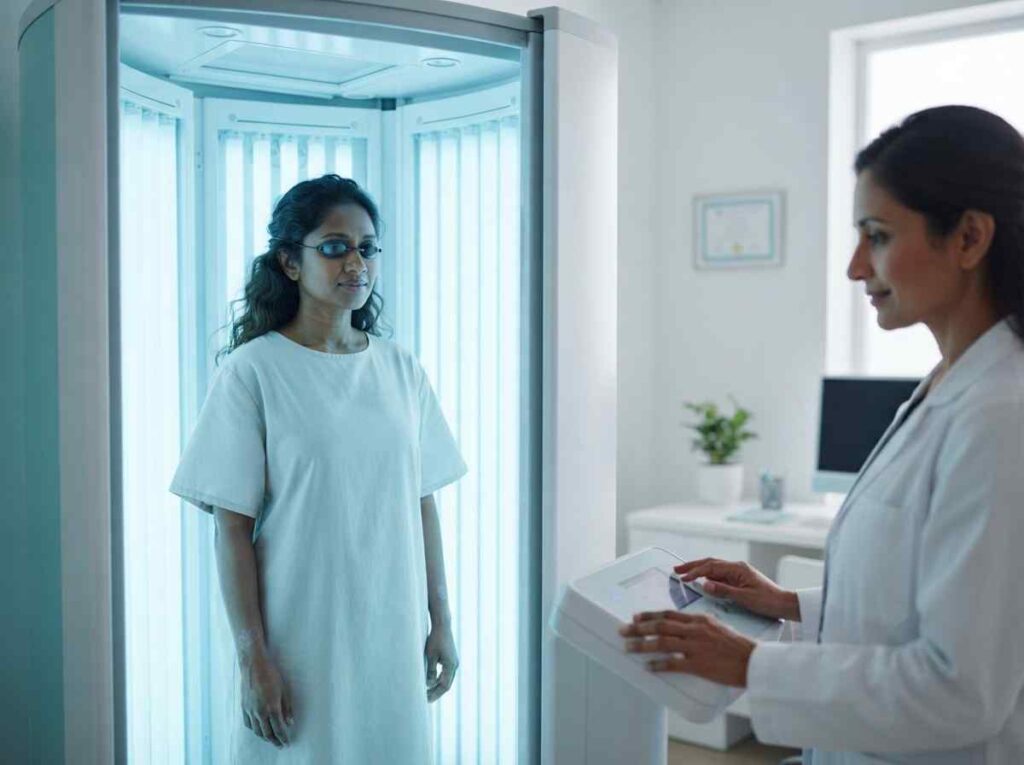
Phototherapy involves exposing the skin to carefully calibrated wavelengths of ultraviolet light to help decrease inflammation and limit skin cell production. One method that is often used is narrowband UVB phototherapy. Learn more about the session process in our guide on phototherapy procedure: what to expect.
Its potential benefits include:
- Reducing inflammation and scaling.
- Slowing the rate at which skin cells are created.
- Clearing stubborn patches of psoriasis.
- Managing itch and pain.
Typically, multiple sessions over several weeks will be recommended by your dermatologist.
You should only use a tanning bed under medical supervision. Tanning beds or unprotected sunbathing are not safe options.
3. Biologics for Psoriasis
Biologics may be an option for moderate to severe psoriasis when traditional treatments have not worked.
What are the medicines used to treat psoriasis? Biological therapies control the cytokine pathways related to psoriasis inflammation. Physicians prescribe biologics, which are direct inhibitors of TNF-alpha, IL-17, and IL-23. Explore our overview of biological therapies available at Skinstitute.
Biologics may help lower swelling, reduce plaques, and ease symptoms of psoriatic joint pain. These drugs are usually given as injections or infusions.
Yet, biologics aren’t suitable for everyone. Appropriate screening, including screening for infection, is required before starting treatment.
A dermatologist will decide if biologics are suitable for you based on the severity of the disease and your history.
How to Manage Psoriasis During Winter
Beyond medication, a few simple routines can ease the wintertime discomfort.
- Moisten your skin: Apply fragrance-free ointments or creams to maintain moisture.
- Avoid hot water: Use lukewarm water.
- Gentle skin care: Do not use harsh soaps or heavily scented products.
- Wear soft clothing: Choose soft, breathable garments without harsh fabrics that might irritate affected areas.
- Don’t scratch: Scratching can damage the skin and create new lesions.
- Stick to your treatment: Never stop taking your prescribed medication without consulting your dermatologist.
While these tips will help with dry skin, winter flares, and discomfort, they are not a substitute for medical treatment. Choosing a skin clinic that offers personalised, ongoing care makes long-term management much easier.
When Should You Visit a Dermatologist for Psoriasis?
Repeated flare-ups should not be tolerated, and they should be taken seriously when your symptoms become hard to control.
Consider consulting a dermatologist if:
- The patches of psoriasis are spreading or worsening.
- Skin cracks, causing bleeding or pain.
- Scalp psoriasis is affecting your daily life.
- Over-the-counter products are not helping.
- You notice swelling or stiffness in your joints along with skin symptoms.
If you have psoriasis, you may develop psoriatic arthritis, an inflammatory condition that affects the joints. The doctor may check your skin, scalp, and nails and ask about your medical history. When diagnosis is uncertain, skin structures can be examined more carefully under the microscope using a dermoscope. A skin biopsy may also be prescribed in some instances.
An initial assessment helps with a proper diagnosis and the selection of an appropriate course of treatment. Visiting a good skin doctor early can prevent flare-ups from becoming harder to control.
Key Takeaways
- Psoriasis is a chronic inflammatory skin condition marked by an excessive build-up of skin cells.
- Extreme cold, low humidity, and less sunlight can trigger winter flare-ups.
- Plaque psoriasis and scalp psoriasis are the most frequent types of this condition.
- Treatment may go beyond topical medication, and phototherapy and biologics are available options.
- Daily moisturizing and regular skincare can help alleviate dryness.
- If you have repeated or persistent flare-ups or aches, see your doctor.

Conclusion
Psoriasis may be very uncomfortable in winter, but it doesn’t need to become a winter fixture.
Getting to know what causes your psoriasis, having a regular skincare routine, and taking early action by reaching out to your doctor can help you control your symptoms. Topical medications, phototherapy, and advanced biologics are a few options, depending on the severity of the condition. For patients with chronic skin conditions, a structured, long-term care plan is often the most effective approach.
If your skin gets more itchy, inflamed, and dry during winter, see a dermatologist rather than relying only on moisturizers and home remedies.
A dermatologist-led skin assessment at Skinstitute can help recognize your skin problems and explain a suitable treatment option. Book your appointment today to get expert guidance for your psoriasis.
Frequently Asked Questions (FAQs)
Cold weather, low humidity, reduced sunlight, and dry indoor heating strip moisture from the skin and can trigger psoriasis flare-ups.
No, psoriasis is not infectious and cannot spread through contact, though it is a chronic condition with periods of remission and flare-ups.
Psoriasis typically forms thick, well-defined, silvery-scaled patches, while eczema is usually less defined, with finer, drier scaling and more intense itching.
Yes, narrowband UVB phototherapy is a medically supervised, safe treatment that reduces inflammation and skin cell overproduction, unlike unprotected sun exposure or tanning beds.
Consult a dermatologist if patches are spreading, cracking, or bleeding, if over-the-counter products fail, or if you notice joint swelling or stiffness.
