- +91 7289828860
- contactwithskinstitute@gmail.com
- Nayapalli, Bhubaneswar-751015


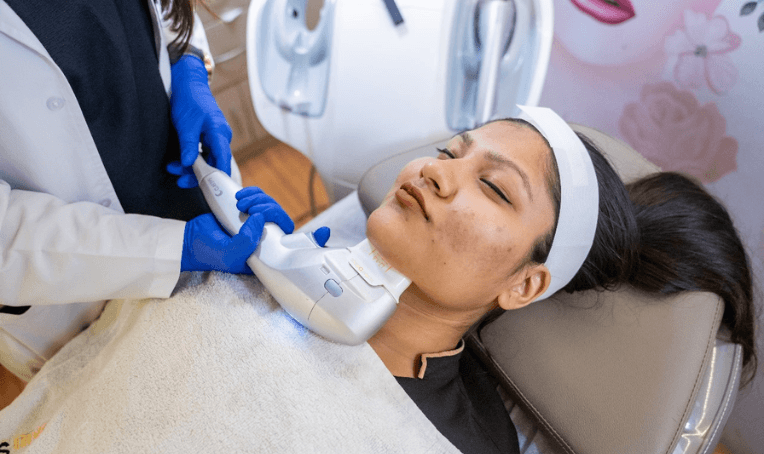
Are you having trouble with stubborn pimples or recurring breakouts? The Skinstitute in Bhubaneswar provides individualized, evidence-based acne treatment plans that go beyond band-aid solutions, regardless of whether you’re dealing with adult acne, hormonal flare-ups, or persistent cystic blemishes. With a combination of contemporary topical, oral, and procedural dermatological treatments, our goals are to reduce scarring, reduce inflammation, stop future breakouts, and restore your trust in your skin.
Treatment Overview
From mild comedonal acne to nodulocystic and scarring acne, we treat all forms and severities of acne at The Skinstitute. Your skin type, acne severity, lifestyle, and medical background all play a role in creating a personalized treatment plan. The main modalities are as follows:
- Topical Treatment
Consists of benzoyl peroxide, retinoids, salicylic acid, and azelaic acid. These target clogged pores, normalize skin cell turnover, and lessen inflammation.
- Antibiotics applied topically
Used to treat inflammatory acne. In order to prevent resistance, erythromycin or clindamycin are frequently used in conjunction with benzoyl peroxide to help reduce bacteria and soothe redness.
- Oral antibiotics
For moderate to severe acne, especially when it affects large areas (such as the chest and back), doxycycline and minocycline are prescribed.
- Hormonal Treatment
Oral contraceptives or anti-androgens (such as spironolactone) can help women with hormonal acne control their hormone fluctuations and sebum production.
- Accutane, or oral isotretinoin
Suggested for acne that is severe, cystic, or resistant to treatment. Many patients experience long-term remission from isotretinoin, which targets the four main causes of acne: bacteria, inflammation, clogged pores, and oil production.
Why Choose The Skinstitute for Acne Treatment?
- Skilled dermatologists who focus on evidence-based acne treatment
- Thorough evaluations of the skin with cutting-edge diagnostic instruments
- FDA-approved treatments specifically designed for Indian skin types
- Clear expectations and transparent treatment plans
- In-house lab and pharmacy for seamless treatment
- Management of acne scars (if necessary)
- A patient-centered strategy with few adverse effects
- Weekend clinics and flexible appointment times
Who Is It For? & How It Works
Ideal Candidates Include:
- Teens exhibiting early symptoms of oily skin, whiteheads, or blackheads
- Adults with PCOS, stress-induced flare-ups, or hormonal acne
- Individuals with persistent nodular or cystic acne
- People who have tried over-the-counter products and seen no improvement
- Anyone worried about pigmentation or acne scarring
How It Works:
Our dermatologists create a plan that combines internal and external therapies following your initial skin assessment and lifestyle analysis. Every regimen changes over time, beginning with inflammation management and progressing to scar repair and maintenance. We prioritize long-term, holistic healing over immediate fixes.
Step-by-Step Procedure: Acne Treatment at The Skinstitute
Before Your Visit:
- Consultation & Skin Assessment: A dermatologist examines your skin, acne type, triggers, lifestyle, and medical history during a consultation and skin assessment.
- Pre-care instructions: Do not use exfoliants or other active skincare products two to three days before your appointment. On the day of the consultation, wash your face with a gentle soap.
During the Procedure (20–30 min):
- Step 1: Preparing and cleansing the skin
- Step 2: Applying specific topical treatments or procedures (such as LED therapy or chemical peels).
- Step 3: If necessary, explain and begin oral prescriptions
- Step 4: Instruction on skincare practices and the schedule for follow-up
Comfort: The majority of treatments are painless and non-invasive. Active procedures may cause very little discomfort.
Aftercare & Downtime:
- Avoid: strenuous exercise, perspiration, makeup (for a full day), and exposure to the sun.
- Timeline of Results:
Week 2: Inflammation decreases
Weeks 4 and 6: Less frequent breakouts
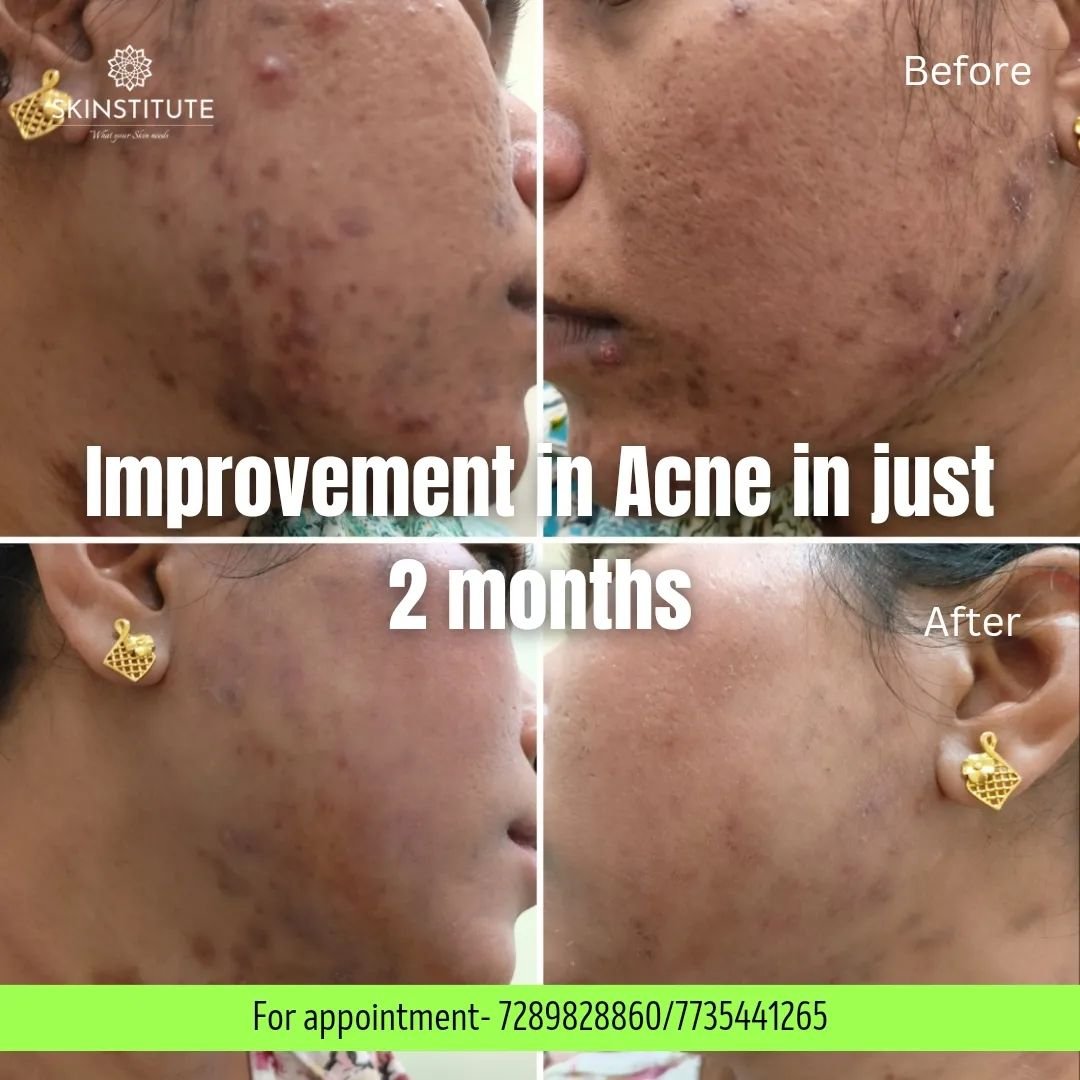
Week 8+: Less scarring, improved skin texture, and clarity
- Support: To achieve optimal efficacy, treatment must be adjusted and monitored continuously.
Usually affecting the face, neck, chest, shoulders, and back, acne is a widespread skin disorder marked by the growth of pimples, blackheads, whiteheads, cysts, or nodules on the skin.
Reasons:
The main cause of acne is the skin’s sebaceous glands’ excessive production of sebum, which can clog pores with germs and dead skin cells. Hormonal fluctuations can cause an increase in sebum production, especially during menstruation, puberty, or pregnancy. Genetics, specific drugs, and nutritional considerations are additional factors.
Who can get it:
Acne affects people of all ages, but it’s most common during adolescence and early adulthood due to hormonal fluctuations. However, it can persist into adulthood and occasionally develop in older adults. Factors such as genetics, hormonal fluctuations, and lifestyle habits can influence an individual’s susceptibility to acne.
Common treatment options:
- Topical therapies: By unclogging pores, lowering inflammation, and eliminating bacteria, over-the-counter or prescription topical treatments containing chemicals like salicylic acid, retinoids, benzoyl peroxide, or antibiotics can help decrease acne.
- Oral drugs: To target acne-causing bacteria, manage hormone levels, or reduce oil production, doctors may give oral medications such as antibiotics, hormonal therapy (such as female birth control pills), or isotretinoin (Accutane) in situations of moderate to severe acne.
Procedures:
Dermatological procedures such as chemical peels, microdermabrasion, laser therapy, or photodynamic therapy may be recommended
- Lifestyle changes: Acne can also be controlled by implementing a skincare regimen that includes mild washing and moisturizing, steering clear of harsh products and excessive scrubbing, and upholding a balanced diet and way of life.
Treatment effectiveness can vary depending on the type and severity of acne, so it’s essential to consult a dermatologist for personalized advice and treatment recommendations.

What People Says
Frequently Asked Questions (FAQ)
What is the best adult acne treatment?
A hormonal and lifestyle-based strategy is frequently needed to treat adult acne. Depending on your skin type and acne pattern, treatments like topical retinoids, oral antibiotics, and hormonal therapy (like spironolactone) are frequently successful.
How long does it take to get rid of acne with oral isotretinoin?
The average course lasts four to six months, and by the second month, there is noticeable progress. It is an effective treatment for severe or cystic acne and frequently results in long-term remission.
Can lifestyle choices and diet affect acne?
Indeed. Stress, sleep deprivation, dairy products, and high-sugar diets can exacerbate acne. At The Skinstitute, we offer nutritional counseling in addition to your medical care.
Can acne be treated with antibiotics?
Oral antibiotics such as doxycycline are safe and effective when taken under a doctor’s supervision and for a short time. To lessen bacterial resistance, they are typically used in conjunction with topical medications.
Which therapies lessen scarring from acne?
Acne scars can be lessened with procedures like fractional lasers, chemical peels, and microneedling. Your chances of reducing scarring are better the earlier you begin treating active acne.
After finishing a course of treatment, can acne recur?
Yes, particularly if underlying triggers like hormones or skincare routines aren’t addressed. For long-term control, our post-treatment maintenance phase is crucial.
Can sensitive skin be safely treated for acne?
Of course. We tailor our treatments according to the sensitivity of your skin. We closely monitor side effects and use dermatologist-tested, non-irritating products.
When should I visit a dermatologist for acne?
It’s advisable to seek early advice if your acne hasn’t improved after several weeks or if it’s leaving scars. Long-term skin damage and scarring are avoided with prompt care.
Does acne get worse before it gets better?
Yes, purging may happen during the first stage of treatment, particularly when using retinoids or isotretinoin. This usually goes away in a few weeks and is only temporary.
Which skincare items should I stay away from while treating acne?
Steer clear of harsh scrubs, comedogenic products, and anything scented or containing alcohol. Your dermatologist will advise you on a mild, acne-safe regimen.
